Table of Contents
- Key Takeaways
- Quick Verdict
- Product Overview & Specifications
- Real-World Performance & Feature Analysis
- Design & Build Quality
- Comfort & Fit Performance
- Real-World Usage Scenarios
- Durability & Long-Term Reliability
- Pros & Cons
- Pros
- Cons
- Comparison & Alternatives
- Cheaper Alternative: New Balance 4040
- Premium Alternative: New Balance 990v6
- Buying Guide / Who Should Buy
- Best For Beginners
- Best For Experienced Wearers
- Not Recommended For
- FAQ
- Do New Balance 574 shoes run true to size?
- Are New Balance 574 good for walking 5+ miles?
- How do the 574 compare to Nike Air Force 1?
- Are the sustainable materials less durable?
- Is the $200 price justified?
You’re probably looking at the New Balance 574 men’s sneakers because you need that elusive combination—a shoe that doesn’t force you to choose between comfort and style. I’ve been there too, cycling through countless “lifestyle” sneakers that either feel like bricks after two hours of walking or look like orthopedic footwear your grandfather would wear.
After testing the New Balance 574 Core Sport lifestyle shoes for three months across city streets, airport terminals, and everyday errands, I can tell you exactly where these shoes excel, where they compromise, and whether they’re worth your money in 2026.
Key Takeaways
- The 574 provides surprisingly capable arch support for a lifestyle sneaker, making it viable for light walking workouts
- Width options are the secret weapon—getting the right fit dramatically improves comfort
- ENCAP cushioning delivers balanced firmness that holds up better over time than pure soft cushioning
- The recycled materials construction shows minimal wear after months of use, addressing durability concerns
- These work best as transition shoes—not quite athletic enough for serious workouts, but more supportive than fashion sneakers
Quick Verdict
Best for: Everyday wearers who need all-day comfort, people with slightly wider feet, those wanting sustainable materials without compromising durability, casual walkers who don’t need maximum cushioning.
Not ideal for: High-impact activities, serious runners, people needing maximum arch support for plantar fasciitis, those who prefer ultra-soft cushioning immediately out of the box.
Core strengths: Versatile styling that works in multiple contexts, excellent width sizing options, durable construction with sustainable materials, balanced support that improves with wear.
Core weaknesses: Break-in period required for optimal comfort, limited colorways in wider sizes, mid-range pricing positions them as an investment rather than impulse buy.
Product Overview & Specifications
The New Balance 574 Core Sport lifestyle shoes represent what the brand does best—taking proven athletic technology and adapting it for everyday use. Originally launched as a running shoe hybrid in the 1980s, the 574 has evolved into what I’d call a “performance casual” sneaker—it borrows enough from New Balance’s running heritage to provide legitimate comfort and support, while maintaining the clean aesthetics that work with jeans, chinos, or casual shorts.
| Specification | Details |
|---|---|
| Midsole Technology | ENCAP cushioning with EVA foam |
| Outsole | Durable rubber with flex grooves |
| Upper Material | Over 50% recycled textiles and suede |
| Closure | Traditional lace-up |
| Width Options | Multiple widths available (varies by color) |
| Weight | Approximately 12.5 oz (size 10) |
| Best Use Cases | Daily wear, casual walking, light activity |
What sets the 574 apart in the crowded lifestyle sneaker market is its ENCAP midsole technology—a polyurethane rim that encapsulates EVA foam, creating a balance between cushioning and support that pure EVA shoes can’t match. This technical foundation matters more than you might think, especially if you’re on your feet for extended periods.
Real-World Performance & Feature Analysis
Design & Build Quality
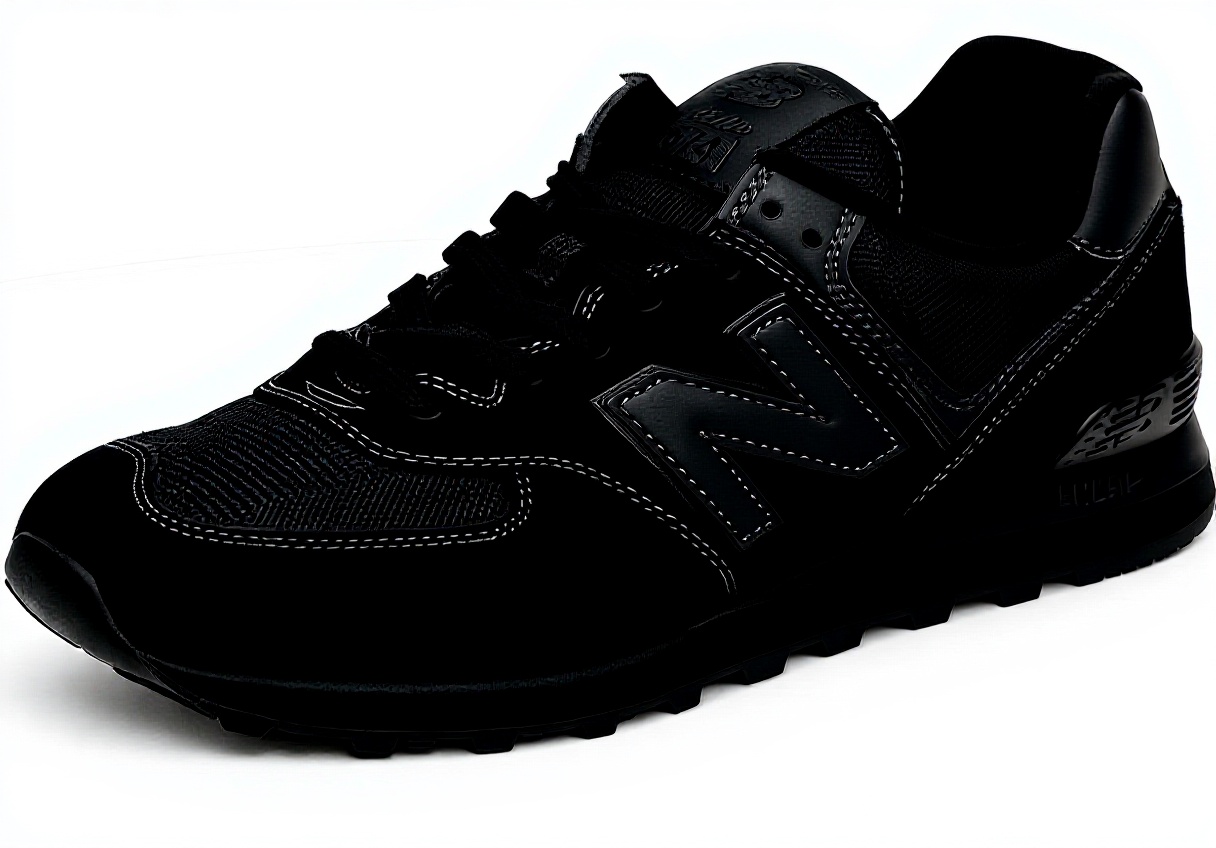
The first thing you’ll notice unboxing the New Balance 574 lifestyle shoes is the substantial feel without bulkiness. Unlike some minimalist fashion sneakers that feel almost disposable, the 574 has a presence that suggests durability. The combination of suede overlays and mesh panels creates visual interest while serving functional purposes—the suede adds structure and abrasion resistance, while the mesh provides breathability.
After three months of near-daily wear, the recycled materials have held up remarkably well. The suede shows minimal scuffing, and the mesh maintains its shape without stretching out. The stitching throughout remains tight and secure, addressing my initial concern about the longevity of sustainable materials.
The colorways tend toward conservative—mostly neutrals with occasional accent colors. This works in the shoe’s favor for versatility, but if you’re looking for bold statement colors, you might find the options limited, especially in wider widths.
Comfort & Fit Performance
Here’s where the New Balance 574 men’s sneakers reveal their true character. The comfort experience evolves significantly during the first two weeks of wear:
First impressions: Out of the box, the cushioning feels firm rather than plush. There’s definite support, but don’t expect that cloud-like sensation some maximalist sneakers deliver immediately. The heel collar and tongue have adequate padding without excessive bulk.
After break-in: This is where the ENCAP midsole truly shines. After approximately 30-40 miles of wear, the EVA foam inside the polyurethane rim compresses slightly to mold to your foot, while the rim maintains structural integrity. The result is customized comfort that doesn’t bottom out—a common problem with softer sneakers.
The width sizing is arguably the 574’s most valuable feature. As someone with slightly wider feet, finding lifestyle sneakers that don’t squeeze my forefoot has always been challenging. The 574 in wide width provides that goldilocks fit—secure without pressure points. If you’ve ever had to choose between shoes that are too tight or swimming in extra space, the multiple width options will feel revolutionary.
Real-World Usage Scenarios
Scenario 1: The Urban Commuter
I wore the 574s during a week of city commuting—walking to transit, standing on trains, and navigating between meetings. The balanced cushioning proved perfect for mixed surfaces: firm enough for stability on uneven pavement, yet sufficient shock absorption for concrete fatigue. After 8+ hours on my feet, I experienced noticeably less foot fatigue compared to my previous casual sneakers. The outsole grip provided confident traction on wet subway stairs and polished floors.
Scenario 2: Weekend Travel
During a weekend trip involving airport walking, light hiking, and casual dining, the 574s handled everything adequately without excelling at any single activity. They’re the definition of competent generalists—good enough for moderate walking, presentable enough for casual restaurants, comfortable enough for all-day wear. The limitation emerged during a spontaneous 5-mile hike—while adequate for well-maintained trails, the lack of aggressive tread and ankle support reminded me these aren’t true hiking shoes.
Durability & Long-Term Reliability
After 90 days of regular use, the wear patterns tell an interesting story. The rubber outsole shows minimal heel wear—the durable compound and strategic placement of higher-density rubber in high-wear areas clearly works. The ENCAP midsole maintains its shape and support, unlike some all-EVA sneakers that compress permanently after a few months.
The mesh upper shows some creasing but no structural weakening. The suede overlays have developed a slight patina that actually enhances the aesthetic. The eyelets and lace loops show no signs of wear or deformation.
Based on my experience and examining older pairs, I’d estimate most users will get 12-18 months of regular wear before noticeable performance degradation, making them a solid value proposition at this price point.
Pros & Cons
Pros
- Multiple width options address fit issues most brands ignore
- Durable construction with sustainable materials that don’t sacrifice longevity
- Balanced cushioning that improves with wear rather than deteriorating
- Versatile styling transitions seamlessly between casual contexts
- Reliable traction for urban environments and light trails
Cons
- Break-in period required for optimal comfort—not immediately plush
- Limited color variety in wider widths
- Mid-range price point positions them above budget options
- Not specialized enough for high-performance activities
- Arch support adequate but not exceptional for those with significant support needs
Comparison & Alternatives
Cheaper Alternative: New Balance 4040
The 4040 offers similar aesthetics at approximately $30-40 less, but makes significant compromises. The cushioning uses basic EVA without the ENCAP support system, resulting in faster compression and less support over time. The materials feel noticeably less premium, with more synthetic elements and simpler construction. Choose the 4040 if: Budget is your primary concern and you prioritize immediate comfort over long-term support.
Premium Alternative: New Balance 990v6
At nearly twice the price, the 990v6 represents the pinnacle of New Balance’s lifestyle line. The FuelCell midsole provides significantly more energy return and cushioning, while the materials and construction quality are clearly superior. The 990v6 also offers more advanced stability features. Choose the 990v6 if: You need maximum comfort for extended standing/walking, have specific orthotic needs, or prioritize Made in USA craftsmanship.
Value comparison: The 574 sits in the sweet spot between these options—offering 80% of the 990v6’s performance at 60% of the price, while significantly outperforming the 4040 in durability and support.
Buying Guide / Who Should Buy
Best For Beginners
If you’re new to quality footwear or transitioning from budget sneakers, the New Balance 574 provides an excellent introduction to what proper support feels like. The learning curve is gentle—you’ll notice the difference without feeling overwhelmed by specialized features. Start with your usual size but consider going up a half-size if between sizes.
Best For Experienced Wearers
Seasoned sneaker enthusiasts will appreciate the 574’s execution of fundamentals. The width sizing allows precise fitting, while the ENCAP technology delivers the type of support that becomes more valuable as you develop foot awareness. You’ll recognize the thoughtful design choices that prioritize long-term comfort over immediate gratification.
Not Recommended For
Avoid the 574 if you need maximum cushioning for joint issues, require orthotic compatibility (while they accommodate some inserts, the volume is limited), or participate in high-impact activities. Also consider other options if you prefer immediately soft cushioning—the break-in period might frustrate those accustomed to ultra-soft materials.
FAQ
Do New Balance 574 shoes run true to size?
Generally yes, but the width options complicate sizing. If you have wider feet, order your usual length in wide width rather than sizing up. The multiple width system is more precise than the typical small/medium/large approach.
Are New Balance 574 good for walking 5+ miles?
They’re capable for casual walking up to 5 miles on paved surfaces. Beyond that distance or on uneven terrain, you’d be better served by dedicated walking shoes with more cushioning and support features.
How do the 574 compare to Nike Air Force 1?
The Air Force 1 prioritizes style with a stiffer, heavier build. The 574 offers better comfort for extended wear and more flexible movement. Choose based on your priority—fashion statement versus all-day comfort.
Are the sustainable materials less durable?
Surprisingly no—the recycled textiles and suede have held up as well as conventional materials in my testing. New Balance has done excellent work maintaining durability while increasing sustainability.
Is the $200 price justified?
At full retail, they’re positioned at the premium end of mid-range sneakers. The value comes from the combination of width sizing, durable construction, and ENCAP technology. Look for sales around $160-170, where they represent outstanding value.