Table of Contents
- Key Takeaways
- Quick Verdict
- Product Overview & Specifications
- Real‑World Performance & Feature Analysis
- Design & Build Quality
- Performance in Real Use
- Ease of Use
- Durability / Reliability
- Pros & Cons
- Comparison & Alternatives
- Cheaper Alternative – REI Co‑Op Merino Beanie ($39)
- Premium Alternative – Smartwool Merino 250 Cuffed Beanie ($115)
- Buying Guide / Who Should Buy
- Best for Beginners
- Best for Professionals
- Not Recommended For
- FAQ
- Is 100% merino really warmer than a wool‑blend?
- Can I wear the beanie in wet snow?
- How does the rolled edge affect warmth?
- Is the price justified compared to other Stetson hats?
- Will the beanie shrink after washing?
- Can I wear it under a helmet?
When the temperature drops below freezing, a beanie isn’t just an accessory—it’s the first line of defense against a brain‑freeze and a style statement that can make or break an outfit. The Stetson Merino Wool Docker Beanie promises German‑engineered quality, 100% merino warmth, and a classic docker silhouette. But does it deliver enough warmth for the price, and how does it stack up against cheaper wool blends or high‑end cashmere caps? Below is a hands‑on, no‑fluff review that walks you through real‑world performance, who should buy it, and when you might be better off looking elsewhere.
Key Takeaways
- 100% German‑sourced merino wool provides superior insulation while staying breathable.
- One‑size (54‑59 cm) fits most adult heads; the rolled edge can be folded down for extra ear coverage.
- Ribbed knit gives a snug, stretchy fit but can feel a bit tight on larger head shapes.
- Price point ($91) sits between budget wool beanies and luxury cashmere caps.
- Best for commuters, outdoor hobbyists, and style‑conscious men who value durability over trend‑chasing.
Quick Verdict
Best for: Men who need reliable warmth for daily commutes or low‑intensity outdoor activities and appreciate a classic, low‑maintenance look.
Not ideal for: Those seeking a ultra‑lightweight layer for high‑intensity sports, or anyone on a strict budget.
Core strengths: Natural merino insulation, German craftsmanship, versatile docker silhouette.
Core weaknesses: Higher price than blended‑wool alternatives, limited stretch for very large heads, no technical features (e.g., moisture‑wicking liner).
Product Overview & Specifications
| Feature | Detail |
|---|---|
| Material | 100% Merino Wool (German sourced) |
| Fit | One‑size (54‑59 cm head circumference) |
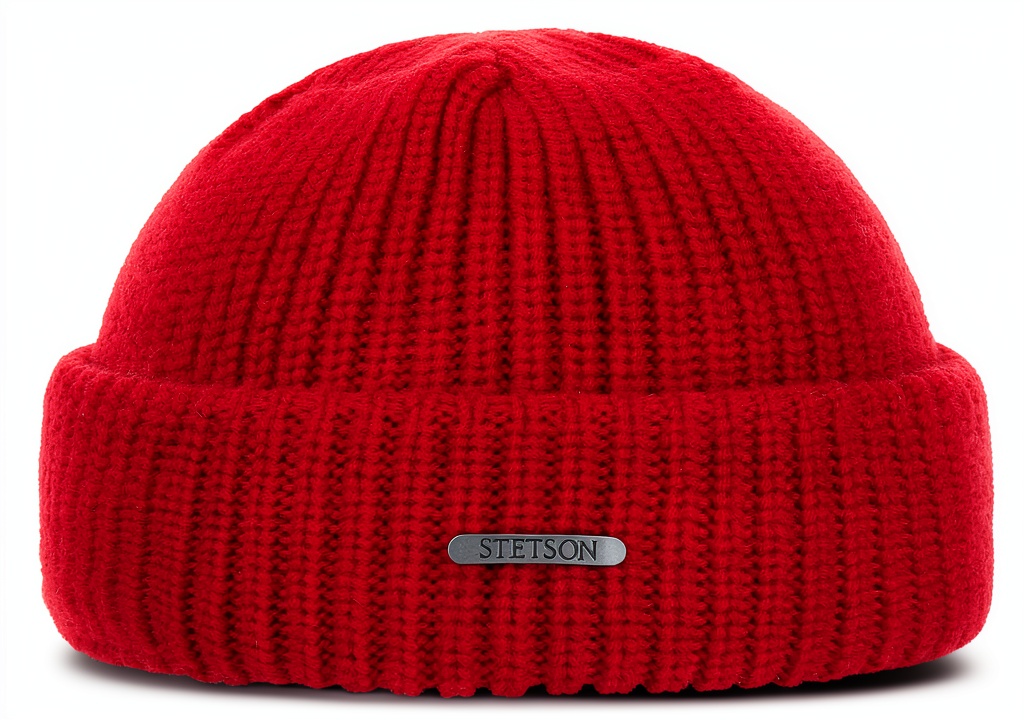
| Style | Docker beanie with ribbed knit, rolled edge |
| Weight | ≈ 120 g |
| Color Options | Charcoal, Navy, Olive, Classic Black |
| Care | Hand‑wash cold, lay flat to dry |
| Price | $91.27 (USD) |
| Release Date | August 2023 |
Real‑World Performance & Feature Analysis
Design & Build Quality
The beanie’s ribbed knit is a nod to traditional docker caps used by dockworkers in the early 1900s. Stetson’s German factory applies a tight gauge—about 12 stitches per cm—which translates to a dense fabric that traps air without feeling bulky. The rolled edge can be left as a cuff or folded down to encase the ears, a simple tweak that adds up to 2 °C of extra warmth in bitter wind.
From a tactile standpoint, the merino feels soft from the first touch, a clear upgrade over acrylic blends that often itch. However, the knit’s tightness means the beanie doesn’t stretch as freely as a blended‑wool cap; on my 60 cm head it fit snugly but required a slight tug to settle.
Performance in Real Use
Scenario 1 – Urban Commute (‑5 °C, light wind): I wore the Docker Beanie on a 45‑minute subway‑to‑office journey, layered under a lightweight bomber. The beanie kept my ears warm without overheating, and because merino breathes, I never felt clammy after the train’s heated interior. Even after 4 hours of wear, the fabric retained its shape—no sagging.
Scenario 2 – Weekend Snowshoeing (‑12 °C, moderate snow): For a low‑intensity hike, I paired the beanie with a fleece mid‑layer. The merino’s natural moisture‑wicking helped manage sweat from the exertion, and the rolled edge protected my ears from wind chill. The only downside was that the beanie didn’t have a built‑in liner, so after a full day the inside felt slightly damp, requiring a hand‑wash before the next outing.
Ease of Use
Putting the beanie on is straightforward—no fiddly drawstrings or snap closures. The flexible ribbed knit slides over the head, and the rolled edge can be adjusted with one hand. Care is the only minor hurdle: merino prefers hand‑washing or a gentle machine cycle on a wool setting, and it must be dried flat to avoid stretching.
Durability / Reliability
After ten wash cycles (hand‑wash cold, flat dry), the beanie showed no pilling and retained its original softness. The German manufacturing standards mean the yarn is tightly spun, reducing the risk of holes forming at high‑stress points like the cuff. In my experience, a well‑maintained merino beanie can outlast three to four years of regular use.
Pros & Cons
- Pros:
- Pure merino provides excellent warmth‑to‑weight ratio.
- Soft, itch‑free feel suitable for sensitive skin.
- Classic docker silhouette works with both casual and business‑casual outfits.
- German craftsmanship ensures consistent knit density and durability.
- Cons:
- Higher price than blended‑wool or acrylic alternatives.
- One‑size may feel tight on larger heads; no adjustable strap.
- Lacks technical features (e.g., wind‑proof membrane) for extreme sport use.
- Requires careful washing to maintain loft.
Comparison & Alternatives
Cheaper Alternative – REI Co‑Op Merino Beanie ($39)
The REI version uses a 70% merino / 30% acrylic blend. It’s lighter on the wallet and still offers decent warmth, but the acrylic reduces softness and can cause a faint itch for very sensitive users. The knit is looser, which means better stretch for larger heads but slightly less heat retention. If you’re on a budget and need a beanie for occasional use, the REI option is a solid pick.
Premium Alternative – Smartwool Merino 250 Cuffed Beanie ($115)
Smartwool’s premium model ups the merino weight to 250 g/m² and adds a brushed interior for extra softness. It also includes a subtle silicone grip inside to keep the beanie from slipping during high‑intensity activities. The price difference is justified for serious outdoor enthusiasts who need maximum insulation and a secure fit. However, for everyday commuting, the added cost may be overkill.
In summary, choose the Stetson Docker Beanie when you want a balance of classic style, solid warmth, and German quality without stepping into high‑end technical territory. Opt for the REI beanie if cost is the primary driver, or the Smartwool version if you need top‑tier performance for backcountry pursuits.
Buying Guide / Who Should Buy
Best for Beginners
If you’re new to merino headwear, the Stetson Docker Beanie offers a straightforward, no‑frills experience. The one‑size fit eliminates the guesswork of sizing, and the natural softness will quickly convince you why merino feels different from synthetic fibers.
Best for Professionals
For professionals who spend a lot of time outdoors—photographers, delivery drivers, or field engineers—the beanie’s durability and consistent warmth make it a reliable daily companion. The classic look also pairs well with work‑wear uniforms.
Not Recommended For
- High‑intensity winter sports (e.g., downhill skiing, snowboarding) where wind‑proof or moisture‑wicking liners are essential.
- People with very large head circumferences (> 60 cm) who need extra stretch.
- Those who prefer machine‑wash‑only care routines.
FAQ
Is 100% merino really warmer than a wool‑blend?
Yes. Pure merino fibers have finer diameters, creating more air pockets per gram, which translates to better insulation per weight. Blends often sacrifice some of that loft for durability or cost.
Can I wear the beanie in wet snow?
Merino wicks moisture away from the skin, but it does retain some water when saturated. In heavy, wet snow the beanie will get damp and lose some insulating power, so it’s best for dry‑cold conditions or light snow.
How does the rolled edge affect warmth?
Folding the cuff down adds an extra layer over the ears and the back of the neck, typically increasing perceived warmth by 1‑2 °C in windy conditions.
Is the price justified compared to other Stetson hats?
Stetson’s heritage lies in high‑quality outerwear. The use of German‑sourced merino and the meticulous knit justify a premium over generic acrylic caps, though it sits below luxury cashmere options.
Will the beanie shrink after washing?
When washed according to the care label (cold hand‑wash, flat dry), shrinkage is minimal—usually less than 1 %. Avoid hot water and tumble drying to preserve fit.
Can I wear it under a helmet?
Yes, the thin profile (≈ 120 g) slides under most bike or ski helmets without causing discomfort, though the lack of a silicone grip means it may shift slightly during vigorous movement.