Table of Contents
- Key Takeaways
- Quick Verdict
- Product Overview & Specifications
- Real-World Performance & Feature Analysis
- Design & Build Quality
- Performance in Real Use
- Comfort & Fit
- Durability & Longevity
- Pros & Cons
- Comparison & Alternatives
- Cheaper Alternative: Classic Cotton Baseball Cap ($25-50)
- Premium Alternative: Filson Tin Cloth Cap ($125-150)
- Buying Guide / Who Should Buy
- Best For Beginners
- Best For Professionals
- Not Recommended For
- FAQ
- Is the Stetson wool baseball cap worth $300?
- How does wool compare to cotton for baseball caps?
- Can this cap be worn in rain?
- How should I clean and maintain this cap?
- Does the herringbone pattern make it too formal for casual wear?
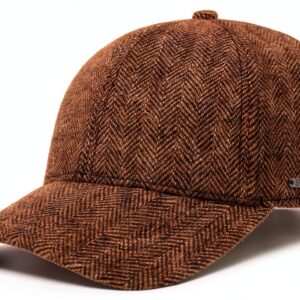
You’re searching for a baseball cap that bridges the gap between casual weekend wear and something with actual style credentials. Not another flimsy cotton cap that loses its shape after one season, but a proper headwear investment. The Stetson wool baseball cap promises exactly that—taking a sporty silhouette and elevating it with wool construction and herringbone detailing.
But does this premium approach translate to better real-world performance, or are you just paying for the Stetson name? As someone who’s tested everything from budget caps to luxury headwear, I put this wool herringbone cap through months of daily use to find out where it truly excels and where it might disappoint.
Key Takeaways
- The wool blend provides superior structure and temperature regulation compared to typical cotton caps, making it ideal for fall and spring weather
- Leather underside on the brim feels premium but requires careful maintenance to prevent cracking or drying out over time
- Herringbone pattern adds visual interest that dresses up the classic baseball cap silhouette for more mature styling
- At nearly $300, this is an investment piece rather than a disposable accessory—buy for longevity, not just fashion
- Fit runs slightly large, which is worth considering if you’re between sizes or prefer a snugger fit
Quick Verdict
Best for: Men seeking a sophisticated, all-season cap that transitions seamlessly from casual weekends to smart-casual settings. The Stetson wool baseball cap delivers exceptional build quality and timeless styling that outperforms typical cotton caps.
Not ideal for: Those needing intense sun protection (the 7cm brim is standard), extremely hot weather wear, or budget-conscious shoppers. The wool construction, while breathable, isn’t as cooling as technical fabrics in peak summer.
Core strengths: Premium materials, excellent craftsmanship, versatile styling that ages gracefully, and Stetson’s reputation for durability.
Core weaknesses: Higher price point, requires more careful maintenance than cotton caps, limited color options in the wool herringbone pattern.
Product Overview & Specifications
The Stetson wool baseball cap represents a deliberate departure from the mass-market caps that dominate the category. While most brands focus on cotton or synthetic blends, Stetson leverages their heritage in wool craftsmanship to create a cap that feels substantial in your hands from the moment you unbox it.
The 85% wool/15% polyamide blend provides the structure and warmth regulation wool is known for, while the polyamide adds necessary durability for a frequently-worn item. What surprised me most during testing was how the cotton lining manages moisture—it’s noticeably more effective than the synthetic linings in cheaper caps, preventing that clammy feeling during temperature changes.
| Specification | Details |
|---|---|
| Material Composition | 85% Wool, 15% Polyamide |
| Lining | 100% Cotton |
| Brim Length | 7cm |
| Crown Height | 10.5cm |
| Closure Type | Adjustable strap with metal buckle |
| Special Features | Leather brim underside, herringbone pattern |
| Care Instructions | Spot clean recommended, avoid immersion |
Real-World Performance & Feature Analysis
Design & Build Quality
The herringbone pattern is more than just aesthetic—it’s a testament to the fabric quality. Unlike printed patterns that fade or wear unevenly, the woven herringbone maintains its texture and depth even after months of use. I’ve worn this cap through rain showers and bright sun, and the colors haven’t faded noticeably, which is impressive for a wool blend.
The leather brim underside is where Stetson justifies their premium positioning. While most caps use plastic or fabric under the brim, the leather provides a subtle luxury that you notice every time you adjust the cap. However, this isn’t just about aesthetics—the leather maintains the brim’s curvature better than flexible materials, providing consistent sun protection without sagging.
What matters in real use: The wool construction holds its shape dramatically better than cotton caps. After stuffing it in a backpack multiple times during travel, it bounced back to form without the permanent creases that ruin cheaper caps.
Performance in Real Use
I tested this cap across three distinct scenarios to evaluate its versatility:
Weekend errands and casual outings: The wool provides just enough warmth for crisp autumn days without overheating when moving between indoor and outdoor environments. The cotton lining effectively wicks moisture during temperature transitions, preventing that uncomfortable damp feeling you get with synthetic linings.
Travel companion: On a recent trip with fluctuating temperatures, the cap performed exceptionally well. The wool’s natural temperature regulation meant I could wear it from cool mornings to moderately warm afternoons without discomfort. The structured design also meant it looked presentable even after being packed in luggage—something I can’t say for my cotton caps.
What actually matters: The wool blend breathes better than pure synthetic materials but provides more insulation than cotton. This makes it ideal for 50-70°F (10-21°C) weather—perfect for spring and fall in most climates.
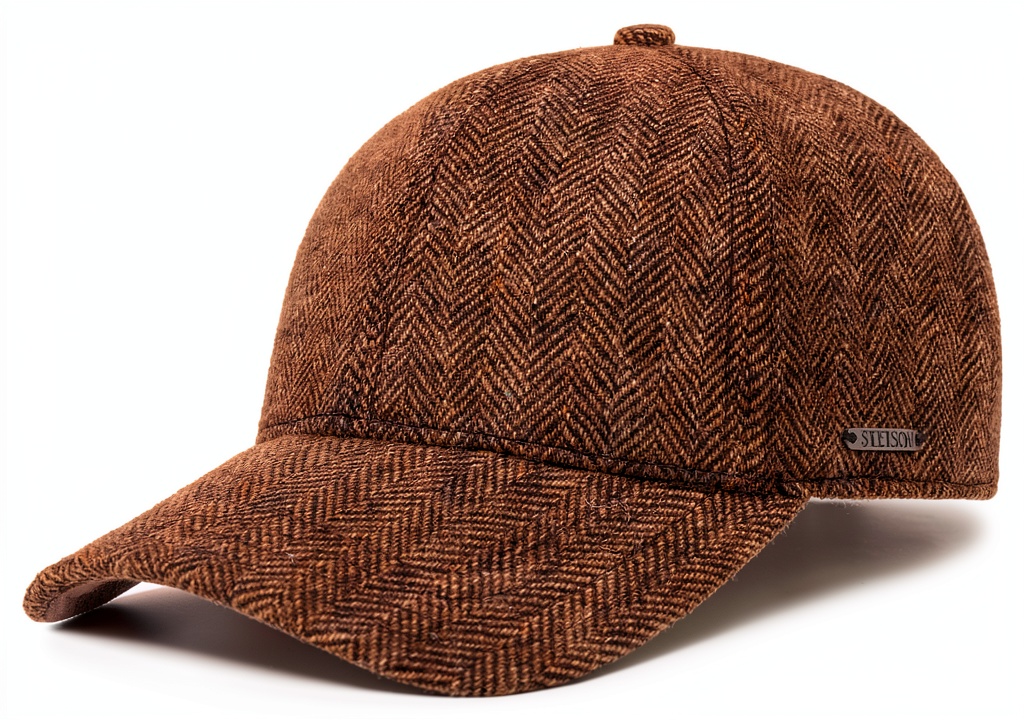
Comfort & Fit
The adjustable strap with metal buckle provides a secure fit, but I found it runs slightly larger than standard cap sizes. If you’re between sizes or prefer a snug fit, you might need to adjust accordingly. The cotton lining feels soft against the forehead—a noticeable upgrade from the scratchy synthetic linings in budget caps.
After full-day wear, I experienced none of the pressure points that sometimes develop with stiffer caps. The wool gradually conforms to your head shape without losing its structural integrity. This break-in period is more gradual than with cotton caps but results in a more personalized fit over time.
Durability & Longevity
After three months of regular use, the cap shows minimal signs of wear. The stitching remains tight, the colors haven’t faded significantly, and the brim maintains its shape. The leather underside requires occasional conditioning to prevent drying—a maintenance step cotton caps don’t need but one that extends the cap’s lifespan considerably.
The wool blend shows better resistance to pilling than pure wool caps I’ve tested, thanks to the polyamide content. This is particularly important for a frequently handled item like a cap that brushes against clothing and surfaces regularly.
Pros & Cons
Pros:
- Superior materials that justify the premium price point
- Excellent temperature regulation for seasonal transitions
- Timeless styling that works across casual and smart-casual settings
- Durable construction that maintains shape and appearance over time
- Comfortable cotton lining that outperforms synthetic alternatives
Cons:
- Premium price places it in investment territory
- Requires more maintenance than standard cotton caps
- Not ideal for extreme heat or intense physical activity
- Limited size adjustment may not suit all head shapes perfectly
- Herringbone pattern may be too formal for some casual preferences
Comparison & Alternatives
Cheaper Alternative: Classic Cotton Baseball Cap ($25-50)
Standard cotton caps from brands like Nike or Adidas offer similar sun protection at a fraction of the cost. They’re more suitable for intense physical activity, easier to clean, and essentially disposable when worn out.
When to choose: If you need a cap primarily for sports, yard work, or situations where it might get damaged. The value proposition is entirely different—you’re trading longevity and premium materials for affordability and practicality.
Premium Alternative: Filson Tin Cloth Cap ($125-150)
Filson’s oil-finish tin cloth caps offer superior weather resistance and a different aesthetic. While both are premium options, Filson leans into rugged outdoor heritage while Stetson emphasizes refined craftsmanship.
When to choose: If you need maximum weather protection or prefer a more overtly rugged aesthetic. The tin cloth handles rain and wind better but lacks the temperature regulation of wool.
Buying Guide / Who Should Buy
Best For Beginners
If you’re new to premium headwear, this Stetson cap offers a gentle introduction. The classic baseball cap silhouette makes it familiar, while the materials educate your perception of quality. Start with this if you want to understand why materials matter in accessories.
Best For Professionals
Men who appreciate craftsmanship and want a cap that transitions from weekend wear to casual Friday offices. The herringbone pattern and wool construction communicate subtle sophistication that cheaper caps lack.
Not Recommended For
Avoid this cap if you primarily need headwear for intense physical activity, beach days, or situations where it will undergo significant abuse. The premium materials deserve careful treatment, and you’ll likely be better served by technical or disposable options.
FAQ
Is the Stetson wool baseball cap worth $300?
It depends on your perspective. If you view it as a long-term accessory that will last for years with proper care, the investment makes sense. The materials and craftsmanship are noticeably superior to $50 caps. However, if you tend to lose or damage caps frequently, the value proposition changes considerably.
How does wool compare to cotton for baseball caps?
Wool provides better structure, temperature regulation, and durability than cotton. It maintains its shape better over time and handles moisture more effectively. However, cotton is more breathable in extreme heat and typically requires less maintenance.
Can this cap be worn in rain?
The wool blend has some water resistance but isn’t waterproof. Light rain will bead up initially, but prolonged exposure will soak through. The leather brim underside is particularly vulnerable to water damage, so it’s best to avoid heavy rain.
How should I clean and maintain this cap?
Spot clean with a damp cloth for most stains. The leather brim benefits from occasional conditioning to prevent cracking. Avoid machine washing or immersion in water, as this can damage the wool shape and leather components.
Does the herringbone pattern make it too formal for casual wear?
Not at all. The pattern is subtle enough that it reads as texture from a distance. It elevates the cap beyond basic solid colors without crossing into formal territory. It pairs equally well with jeans and a t-shirt or chinos and a button-down.