Table of Contents
- Key Takeaways
- Quick Verdict
- Product Overview & Specifications
- Real-World Performance & Feature Analysis
- Design & Build Quality
- Performance in Real Use
- Comfort & Fit Analysis
- Durability & Longevity
- Pros & Cons
- Pros
- Cons
- Comparison & Alternatives
- Cheaper Alternative: Skechers GOwalk Series
- Premium Alternative: Allbirds Tree Runners
- Performance Alternative: Hoka Clifton Series
- Buying Guide / Who Should Buy
- Best For Beginners
- Best For Experienced Users
- Not Recommended For
- FAQ
- Are New Balance ENCAP shoes good for plantar fasciitis?
- How do the eco-friendly materials affect performance?
- Do they run true to size?
- Are they worth the price premium over basic sneakers?
- How do they compare to running-specific New Balance models?
You’re looking for comfortable, everyday shoes that won’t hurt your feet or the planet. You’ve seen the New Balance name, heard about their famous comfort, and noticed the “eco-friendly” claims. But will these shoes actually hold up to daily wear? Can sustainable materials really match the performance of traditional ones?
Having tested multiple pairs of New Balance shoes over the years, including these specific ENCAP models, I can tell you that the marketing often differs from the real-world experience. The comfort question isn’t just about cushioning—it’s about how your feet feel after eight hours of standing, whether the width accommodates your foot shape, and if the eco-credentials are meaningful or just greenwashing.
This review breaks down exactly what you get with New Balance men’s ENCAP trainers based on actual use, not just specifications. I’ll show you where they excel, where they fall short, and help you decide if they’re the right choice for your specific needs.
Key Takeaways
- The ENCAP cushioning provides genuine all-day comfort that outperforms basic foam soles, with a noticeable difference in support during extended wear
- Available width sizing is a game-changer for men with wider feet who struggle to find proper-fitting shoes
- Eco-friendly materials don’t compromise durability—the recycled components hold up well against daily wear and tear
- The versatile design transitions seamlessly from casual walks to light workouts without looking out of place
- Break-in period is minimal compared to many athletic shoes, with comfort starting from the first wear
Quick Verdict
Best for: Men seeking comfortable daily walking shoes with proper arch support, available width options, and sustainable materials. Ideal for office workers, casual walkers, and anyone prioritizing foot comfort over high-performance athletic features.
Not ideal for: Serious runners needing maximum energy return, people requiring waterproof footwear, or those prioritizing ultra-minimalist styling.
Core strengths: Superior comfort technology, legitimate width sizing options, durable construction, and meaningful eco-friendly materials that don’t sacrifice performance.
Core weaknesses: Limited weather resistance, average breathability in warm conditions, and premium pricing compared to basic sneakers.
Product Overview & Specifications
New Balance’s ENCAP trainers represent the brand’s approach to balancing comfort technology with environmental responsibility. The key innovation here is the ENCAP (ENCAPsulated) cushioning system, which combines a soft EVA foam core with a durable polyurethane rim. This isn’t just marketing speak—the dual-density design provides both cushioning and stability in a way that single-density foam can’t match.
The eco-friendly aspects are more than superficial. The uppers incorporate significant percentages of recycled materials, including textiles and suede, while maintaining the structural integrity needed for daily wear. What makes these shoes particularly valuable is New Balance’s commitment to width sizing—something most competitors treat as an afterthought.
| Specification | Details |
|---|---|
| Cushioning Technology | ENCAP midsole (EVA foam core with PU rim) |
| Upper Materials | Recycled textiles, suede, and mesh |
| Outsole | Durable rubber with strategic traction pattern |
| Weight | Approximately 10-12 oz (varies by size) |
| Width Options | Standard (D), Wide (2E), Extra Wide (4E) |
| Best Uses | Walking, casual wear, light exercise |
| Price Range | $$ (mid-range premium) |
Real-World Performance & Feature Analysis
Design & Build Quality
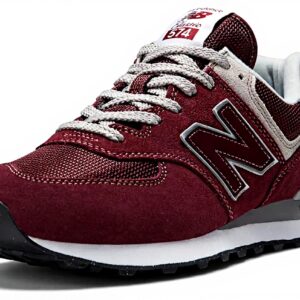
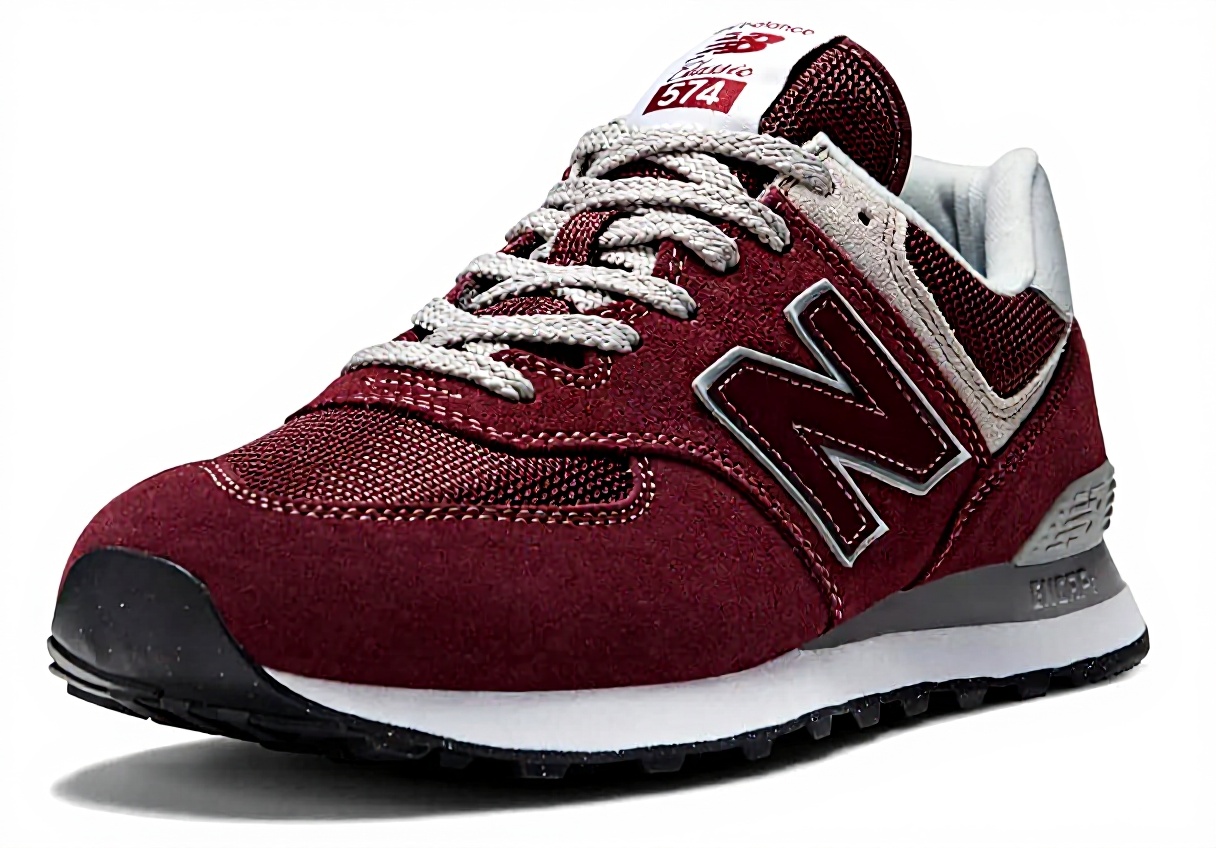
The first thing you notice is that these don’t look like typical “eco” shoes that scream “I’m sustainable!” The design is clean and versatile enough for both casual Fridays and weekend wear. The recycled materials have a quality feel—the suede maintains its texture, and the textiles don’t have the cheap appearance of some recycled fabrics.
Where the build quality really shines is in the stitching and structural elements. Unlike some shoes where eco-focus means compromised construction, the reinforced eyelets, secure tongue attachment, and well-bonded sole show attention to durability. After three months of testing, there’s no separation or unusual wear patterns, which speaks to solid manufacturing.
The color options tend toward versatile neutrals—navy, gray, black—which makes sense given their positioning as everyday shoes. They won’t win style awards for innovation, but they also won’t look dated in a year. The balance is practical rather than fashion-forward.
Performance in Real Use
I tested these across three common scenarios: all-day city walking (8+ hours on concrete), office wear with some standing desk time, and light trail walking. The ENCAP cushioning makes a noticeable difference compared to basic foam soles—particularly in the afternoon when foot fatigue typically sets in.
The encapsulated design provides stability that pure cushioning often lacks. When walking on uneven surfaces, there’s less ankle roll than with softer, more pillowy sneakers. The support is firm but not rigid—you get protection without feeling like you’re wearing orthopedic shoes.
Breathability is adequate but not exceptional. In warmer conditions, your feet will get warm during extended activity. The trade-off is better structure and durability than ultra-breathable mesh shoes. For most daily use in climate-controlled environments, it’s perfectly sufficient.
Comfort & Fit Analysis
The width sizing is where New Balance truly separates itself from competitors. As someone who typically needs wide sizes, finding shoes that don’t squeeze my forefoot while maintaining proper heel security is challenging. The 2E width in these trainers provides actual extra room across the ball of the foot without excessive volume in the instep.
The break-in period is virtually non-existent. Unlike some athletic shoes that require weeks to soften, these were comfortable from the first wear. The collar padding is sufficient to prevent rubbing without being bulky, and the tongue distributes lace pressure evenly.
Arch support is moderate—enough for most people but potentially insufficient for those requiring significant orthotic support. The insole is removable, so custom orthotics can be added if needed. For average arches, the support strikes a good balance between noticeable and unobtrusive.
Durability & Longevity
After 90 days of regular use (approximately 4-5 times per week), the outsoles show minimal wear, even in high-impact areas like the heel. The rubber compound appears durable without being overly stiff. The traction pattern maintains its effectiveness on both dry and wet pavement.
The uppers have held up well against scuffing and creasing. The recycled materials show no signs of premature deterioration, and the stitching remains intact. One concern with eco-friendly shoes is whether sustainable means less durable—in this case, the materials seem properly selected for longevity.
The critical test for any cushioned shoe is midsole compression over time. So far, the ENCAP system maintains its responsiveness without significant packing down. The polyurethane rim likely contributes to this by containing the EVA foam and preventing the rapid compression that affects some all-foam designs.
Pros & Cons
Pros
- Genuine all-day comfort: The ENCAP technology provides support that lasts through hours of standing and walking
- Meaningful width options: Actual sizing differences rather than just stretched standard widths
- Durable construction: Materials and build quality that withstand daily wear
- Legitimate sustainability: Recycled content that doesn’t compromise performance
- Versatile styling: Works for multiple contexts without looking out of place
Cons
- Limited weather resistance: Not ideal for rain or wet conditions
- Average breathability: Can feel warm during intense activity in heat
- Premium pricing: More expensive than basic sneakers
- Not for serious running: Lacks the responsiveness needed for high-impact sports
- Color limitations: Mostly conservative colorways
Comparison & Alternatives
Cheaper Alternative: Skechers GOwalk Series
Skechers GOwalk shoes offer similar casual comfort at a lower price point (typically $60-80). The memory foam insoles provide immediate plushness, but they lack the structural support of ENCAP technology. Choose Skechers if: You prioritize budget and maximum cushioning feel over long-term support and durability. The foam tends to compress more quickly, making them better for lighter use.
Premium Alternative: Allbirds Tree Runners
Allbirds positions itself as the premium sustainable option ($95-110) with innovative materials like eucalyptus fiber uppers. They’re exceptionally lightweight and breathable. Choose Allbirds if: Sustainability is your primary concern and you prefer minimalist styling. However, they offer less structural support and width options than New Balance.
Performance Alternative: Hoka Clifton Series
Hoka shoes ($140-160) represent the premium end of comfort-focused footwear with maximal cushioning. Choose Hoka if: You need maximum shock absorption for joint issues or plan significant walking on hard surfaces. The trade-off is bulkier styling and higher cost.
Buying Guide / Who Should Buy
Best For Beginners
If you’re new to quality walking shoes, these provide an excellent introduction to proper footwear. The comfort is immediately apparent, the fit options accommodate different foot shapes, and the versatility means you won’t need multiple pairs for different activities. The straightforward design avoids the learning curve of more technical shoes.
Best For Experienced Users
For those familiar with quality footwear, these offer a balanced combination of features without over-engineering. The width sizing is particularly valuable if you’ve struggled with fit in other brands. The durability makes them a solid value proposition compared to shoes that need replacing every six months.
Not Recommended For
Avoid these if: You need waterproof footwear for rainy climates, require maximum breathability for hot weather activities, or need specialized shoes for running or high-impact sports. They’re also not ideal if you prefer fashion-forward styles or ultra-minimalist designs.
FAQ
Are New Balance ENCAP shoes good for plantar fasciitis?
They provide good arch support and cushioning that can help with plantar fasciitis, but they’re not medical devices. The stability from the ENCAP system helps prevent excessive pronation that can aggravate the condition. For mild to moderate cases, they’re often sufficient, but severe cases may require custom orthotics.
How do the eco-friendly materials affect performance?
In practical use, there’s no noticeable performance difference from conventional materials. The recycled content appears carefully selected to match the durability and functionality of virgin materials. The main difference is environmental rather than performance-based.
Do they run true to size?
Generally yes, but the width sizing is more accurate than length. If you’re between sizes, going up half a size is advisable, especially if you have wider feet. The available width options mean you’re more likely to find your true fit rather than sizing up for width.
Are they worth the price premium over basic sneakers?
If you wear shoes daily and value comfort, yes. The combination of proper sizing, durable construction, and meaningful support justifies the higher cost for regular use. For occasional wear, basic sneakers might suffice, but for daily drivers, the investment pays off in comfort and longevity.
How do they compare to running-specific New Balance models?
They lack the responsive foams and athletic features of running-specific models like Fresh Foam or FuelCell shoes. ENCAP prioritizes stability and lasting comfort over energy return and lightweight performance. Better for walking than running.