Introduction
It was during one of those transitional periods in life when everything seems to be shifting at once that I first considered the importance of what I put on my feet. I had been watching basketball highlights, admiring players like Jalen Brunson and Jeremy Jacquet for their effortless movement and stability on court, when it occurred to me that my own foundation—my shoes—were letting me down in everyday life. The connection between athletic performance and daily comfort became suddenly clear, though I didn’t realize at the time how profoundly this insight would reshape my approach to footwear.
For years, I had treated shoes as purely functional items, rarely considering how they might enhance or detract from my daily experiences. I owned separate pairs for different activities—running shoes for exercise, casual sneakers for errands, and more formal options for work. This compartmentalization felt practical until I noticed how much time I spent thinking about which shoes to wear for which occasion, and how often I ended up compromising comfort for convenience.
The turning point came during a particularly busy week when I found myself rushing between appointments, workouts, and social engagements. My feet ached by Wednesday, and I realized that my shoe rotation wasn’t serving my actual lifestyle. I needed something that could transition seamlessly between different parts of my day while providing consistent support. It was this realization that led me to explore options that combined athletic functionality with everyday wearability.
Real-life Context
My search began with a simple criteria list: comfort for long periods of wear, versatility for different activities, and if possible, an environmentally conscious design. I’ve become increasingly aware of the impact our consumption choices have, and footwear felt like an area where I could make a more sustainable decision without sacrificing quality. The challenge was finding something that didn’t feel like a compromise—where the eco-friendly aspect was integrated thoughtfully rather than being the sole selling point.
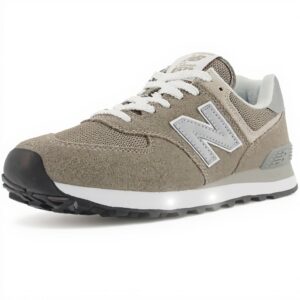
When I first encountered the New Balance Women 574 Sport trainers online, what stood out was the balanced approach to their design. The description mentioned ENCAP midsole cushioning, which promised to blend lightweight foam with durable support, and the use of recycled materials appealed to my growing interest in reducing waste. The availability of wide width options was particularly compelling, as I’ve often struggled to find comfortable athletic shoes that accommodate my foot shape properly.
The timing coincided with a period when my daily routine had become more varied than ever. Mornings often started with a brisk walk or light gym session, followed by work that involved considerable time on my feet, and evenings that might include anything from grocery shopping to meeting friends. I needed footwear that could handle this diversity without requiring multiple changes throughout the day. The idea of a single pair of trainers that could transition between these different contexts felt both practical and liberating.
What initially drew me to the 574 Sport was how they seemed to bridge categories without falling into the trap of being a ‘jack of all trades, master of none.’ The specifications suggested thoughtful engineering—the combination of recycled textiles and suede in the upper, bio-based foam in the midsole, and the reduced waste manufacturing process all indicated a product designed with both performance and responsibility in mind. Still, I wondered how these technical features would translate to real-world comfort during my typically hectic days.
Observation
The first thing I noticed when I started wearing the 574 Sport trainers was how immediately comfortable they felt. There was none of that stiff break-in period I’d experienced with other athletic shoes. The cushioning provided a subtle bounce that made walking feel less taxing, particularly during my morning commutes when I’m often carrying a bag and moving quickly between transportation. The support felt substantial without being restrictive, allowing natural foot movement while still providing stability.
Over the first few weeks, I found myself reaching for these shoes more often than I’d anticipated. They became my default choice not just for planned workouts but for any day that involved significant walking or standing. I appreciated how the secure lace-up closure meant I could adjust the fit throughout the day as needed—something that proved valuable during longer periods of wear when feet naturally swell slightly. The lightweight construction meant I never felt weighed down, even after hours of continuous use.
What surprised me most was how well the trainers performed across different surfaces and activities. The rubber outsole provided reliable traction on everything from gym floors to pavement to indoor surfaces, and the cushioning remained consistent whether I was standing in line, walking through parks, or doing light exercise. I began to understand why the description mentioned their suitability for various scenarios—this wasn’t marketing hyperbole but an accurate reflection of their versatile performance.
The eco-friendly aspects, which I’d initially considered a bonus rather than a primary reason for choosing them, became more meaningful as I wore them regularly. Knowing that over 50% of the materials were environmentally preferred, including recycled textiles, added a layer of satisfaction to each wear. It felt good to support manufacturing processes that reduced waste by 65%, though I’ll admit this wasn’t something I though about daily—the comfort and practicality remained the most immediately noticeable benefits.
Reflection
After several months of regular wear, I’ve come to appreciate how the 574 Sport trainers have simplified my approach to footwear. I didn’t realize at the time how much mental energy I was spending on shoe choices until that decision became automatic. Having a reliable pair that works for most situations has created a sense of ease in my daily routine that extends beyond mere physical comfort. It’s one less thing to think about during busy mornings, and that cognitive space feels valuable.
The availability of wide width options proved more significant than I’d anticipated. For the first time in years, I’m not constantly aware of my shoes during the day—they’ve become an extension of my feet rather than something I’m continually adjusting or thinking about. This seamless integration into my daily life has made me reconsider what I value in footwear. The technical specifications matter, but what ultimately defines a good shoe is how little you notice it while still benefiting from its support.
I’ve also found myself thinking differently about sustainable products since wearing these trainers. The eco-friendly features aren’t presented as sacrifices or compromises but as integrated benefits that enhance the overall experience. The use of recycled materials doesn’t detract from durability or comfort—if anything, it adds to the satisfaction of ownership. This has shifted my perspective on what environmentally conscious design can achieve when executed thoughtfully.
There’s something quietly revolutionary about footwear that supports an active lifestyle without shouting about its performance capabilities. The 574 Sport trainers don’t look dramatically different from many other athletic shoes, but their thoughtful engineering becomes apparent through extended wear. The way the ENCAP midsole cushioning provides consistent support throughout the day, the breathability of the recycled textile upper, the reliable traction of the outsole—these elements work together so seamlessly that you only notice their absence when you wear less considered footwear.
Conclusion
Looking back, my journey with the 574 Sport trainers has been about more than finding comfortable shoes—it’s been about understanding how the right footwear can support rather than complicate daily life. The initial connection I made between athletic performance and everyday comfort has proven valid, though in ways I couldn’t have predicted. What began as a practical solution to sore feet has evolved into a appreciation for thoughtfully designed products that serve multiple purposes without compromise.
The trainers have become such a natural part of my routine that I rarely think about them as a distinct purchase anymore. They’re simply the shoes I wear, the reliable foundation that supports my movements through varied days. This unthinking reliability feels like the highest compliment I can pay to their design—they’ve achieved that rare balance where functionality becomes so seamless it approaches invisibility.
I’ve come to value how the sustainable aspects of these shoes align with a broader approach to consumption—choosing products that are built to last and designed with consideration for their environmental impact. The reduced waste manufacturing and use of recycled materials represent a direction I hope more companies will embrace, where responsibility enhances rather than limits quality.
What remains most meaningful is how these trainers have supported my actual lifestyle rather than an idealized version of it. They work for the messy, unpredictable nature of real days—the sudden downpours, the extended walks, the last-minute changes in plans. In a world that often feels increasingly complicated, there’s profound value in things that simply work well, that support rather than demand attention. The 574 Sport trainers have provided that reliable foundation, and in doing so, have reminded me that sometimes the most significant improvements come from addressing the most fundamental needs.