Introduction
It was during one of those marathon viewing sessions that I first noticed how much my feet were suffering. The UFC White House card had just wrapped up, and I was transitioning to Billie Eilish performances on streaming when the discomfort in my feet became impossible to ignore. I’d been standing and moving around my apartment for hours, caught between the intensity of the fights and the atmospheric music, completely unaware that my choice of footwear was slowly undermining the experience. The ufc white house card | billie eilish combination created this strange but compelling rhythm to my evening—moments of high energy followed by contemplative pauses—and my feet were bearing the brunt of these transitions.
I’ve always been someone who appreciates good entertainment, whether it’s the raw athleticism of mixed martial arts or the emotional depth of contemporary music. What I hadn’t considered was how physical comfort could enhance these experiences. As I shifted from watching fighters move with precision to losing myself in Billie’s haunting vocals, I became increasingly aware of my own physical state. The floor beneath me felt harder with each passing hour, and the slight ache in my arches was pulling my attention away from the screen.
This realization didn’t come as a sudden epiphany but rather as a gradual awareness that built throughout the evening. At first, I attributed the discomfort to simply being on my feet too long. But as I moved from room to room, sometimes pausing to dance during Billie’s more upbeat tracks or mimicking fighter stances during particularly exciting moments, I began to understand that the problem was more fundamental. My shoes weren’t providing the support I needed for these spontaneous movements.
Real-life Context
My typical evening routine involves a mix of activities that keep me moving around my living space. I might start with some light cleaning, then transition to cooking dinner, followed by several hours of entertainment—often combining different types of content like I did with the UFC and Billie Eilish. These aren’t structured workouts but rather the natural flow of my daily life, where I’m frequently on my feet for extended periods. The physical demands are subtle but consistent: standing at the kitchen counter chopping vegetables, pacing during phone conversations, shifting weight while watching television, or bouncing slightly to music.
What made that particular evening different was the duration and intensity of my engagement. The UFC White House card demanded focused attention, with moments that had me jumping up from the couch during dramatic finishes. Then Billie Eilish’s moody, atmospheric music created a completely different physical response—slower, more deliberate movements as I absorbed the emotional weight of her performances. This back-and-forth between high energy and contemplative stillness highlighted the limitations of my current footwear in ways I hadn’t previously noticed.
My apartment isn’t large, but I make use of every space. The kitchen flows into the living area, with hardwood floors throughout. There’s no carpet to soften the impact of my steps, and I often find myself moving between rooms rather than sitting in one place. This constant motion is partly habit and partly preference—I think better when I’m moving, and I enjoy the physical freedom of my home environment. But this freedom comes with physical consequences if I’m not wearing appropriate shoes.
Earlier that day, I’d been out running errands, walking to the grocery store and post office. The cumulative effect of all this activity—the errands, the household tasks, and then the extended entertainment session—created a perfect storm of foot fatigue. By the time Billie Eilish’s “When the Party’s Over” was playing, I was acutely aware of every slight pressure point in my shoes, every place where cushioning had compressed beyond usefulness, every seam that rubbed just enough to be noticeable.
Observation
It was during a particularly gripping moment in the UFC card that I first became consciously aware of my footwear problem. Two fighters were exchanging combinations in the center of the octagon, and I found myself mirroring their footwork unconsciously, shifting my weight from side to side as they moved. That’s when I felt it—a distinct lack of support during lateral movements, coupled with insufficient cushioning as my heels struck the hardwood floor. The experience was revealing: my shoes were fine for simple forward motion but inadequate for the multi-directional movements that happen naturally during excited viewing.
Later, as Billie Eilish’s “Everything I Wanted” filled the room, I noticed something different. The slower tempo and emotional depth of the music had me standing relatively still, but the lack of cushioning became even more apparent during these stationary moments. Without the distraction of movement, I could feel how the hard floor was transmitting impact directly through the soles of my shoes. I found myself shifting weight frequently, trying to find relief from the constant pressure on my feet.
What struck me as particularly interesting was how the shoe’s performance—or lack thereof—affected my engagement with the content. During intense UFC moments, discomfort pulled my attention away from the action. During Billie’s more subtle musical passages, foot pain prevented me from fully immersing myself in the emotional experience. The connection between physical comfort and entertainment enjoyment became undeniable. I wasn’t just watching fights and listening to music; I was having a physical experience that was being compromised by inadequate footwear.
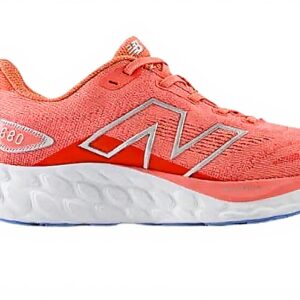
I began paying closer attention to how I was moving throughout the evening. The knit upper of my current shoes provided reasonable breathability but lacked the structured support needed for sudden direction changes. The cushioning had compressed over time, losing its ability to absorb impact effectively. And the fit, while initially comfortable, had stretched just enough to allow my feet to slide slightly during quick movements, creating friction points I hadn’t noticed before.
Reflection
I didn’t realize at the time that this would be so important, but that evening became a turning point in how I think about footwear. The experience highlighted something fundamental about daily life: we often underestimate the physical demands of our routines until discomfort forces us to pay attention. The combination of UFC’s physical intensity and Billie Eilish’s emotional depth created a unique context that revealed limitations I’d been ignoring for months. It wasn’t just about finding shoes that worked for running or formal occasions; it was about finding footwear that supported the full spectrum of my daily movements.
This realization led me to consider what I actually need from everyday shoes. The answer surprised me with its simplicity: consistent comfort across different types of movement and durations. I need shoes that can handle the sudden excitement of sports viewing as well as the prolonged stillness of music appreciation. I need cushioning that works whether I’m walking to the store or standing in place for an hour. I need support that adapts to both planned exercise and spontaneous movement.
Reflecting on that evening, I recognized how physical comfort influences mental engagement. When my feet hurt, I’m less present in whatever I’m doing. I’m distracted by discomfort, constantly adjusting my position, thinking about relief rather than fully experiencing the moment. The UFC fights deserved my full attention—the technical skill, the strategy, the athleticism. Billie Eilish’s music deserved emotional availability—the vulnerability in her voice, the complexity of her production. In both cases, physical discomfort was creating a barrier between me and the experience.
This wasn’t just about finding better shoes; it was about understanding how physical well-being supports richer life experiences. The connection between body and mind became vividly clear that night. When we’re physically comfortable, we’re more available—to entertainment, to work, to conversation, to reflection. Discomfort creates distance, pulling our awareness inward toward the source of pain rather than outward toward the world around us.
Conclusion
That evening with the UFC White House card and Billie Eilish performances taught me more about footwear than any product description ever could. It revealed how shoes function not just as fashion or sport-specific equipment but as foundational elements of daily comfort. The experience demonstrated that what we wear on our feet influences how we engage with everything else in our lives—from entertainment to work to simple household tasks.
The specific demands of that night—the rapid shifts between high-energy viewing and contemplative listening—created a perfect test case for understanding footwear performance. It showed me that good shoes should be versatile, supporting different types of movement and different durations of wear. They should provide consistent comfort whether we’re active or stationary, whether we’re focused on physical activity or mental engagement.
This understanding has changed how I approach footwear decisions. I now consider not just intended use cases but the full range of my daily activities. I think about how shoes will perform during both planned exercise and spontaneous movement, during extended standing and casual walking. The lesson wasn’t about finding the perfect shoe for one specific activity but about finding footwear that supports the fluid, unpredictable nature of real life.
That particular combination of UFC intensity and Billie Eilish atmosphere created an unexpected learning opportunity. It transformed an ordinary evening of entertainment into a meaningful insight about physical comfort and its relationship to daily experience. The memory of that night now serves as a reminder that sometimes the most valuble discoveries come from paying attention to how our bodies interact with the world during seemingly mundane moments.