Table of Contents
I’ve tested dozens of athletic socks over my years as a runner and fitness instructor, and I’ve learned one hard truth: most socks promise performance but deliver disappointment. You’re probably searching for women’s arch support ankle socks because you’re tired of socks that slip, bunch, or leave your feet aching after a workout. Maybe you’ve tried cheaper options that felt great initially but fell apart after a few washes, or perhaps you’re dealing with plantar fascia discomfort that makes every step painful.
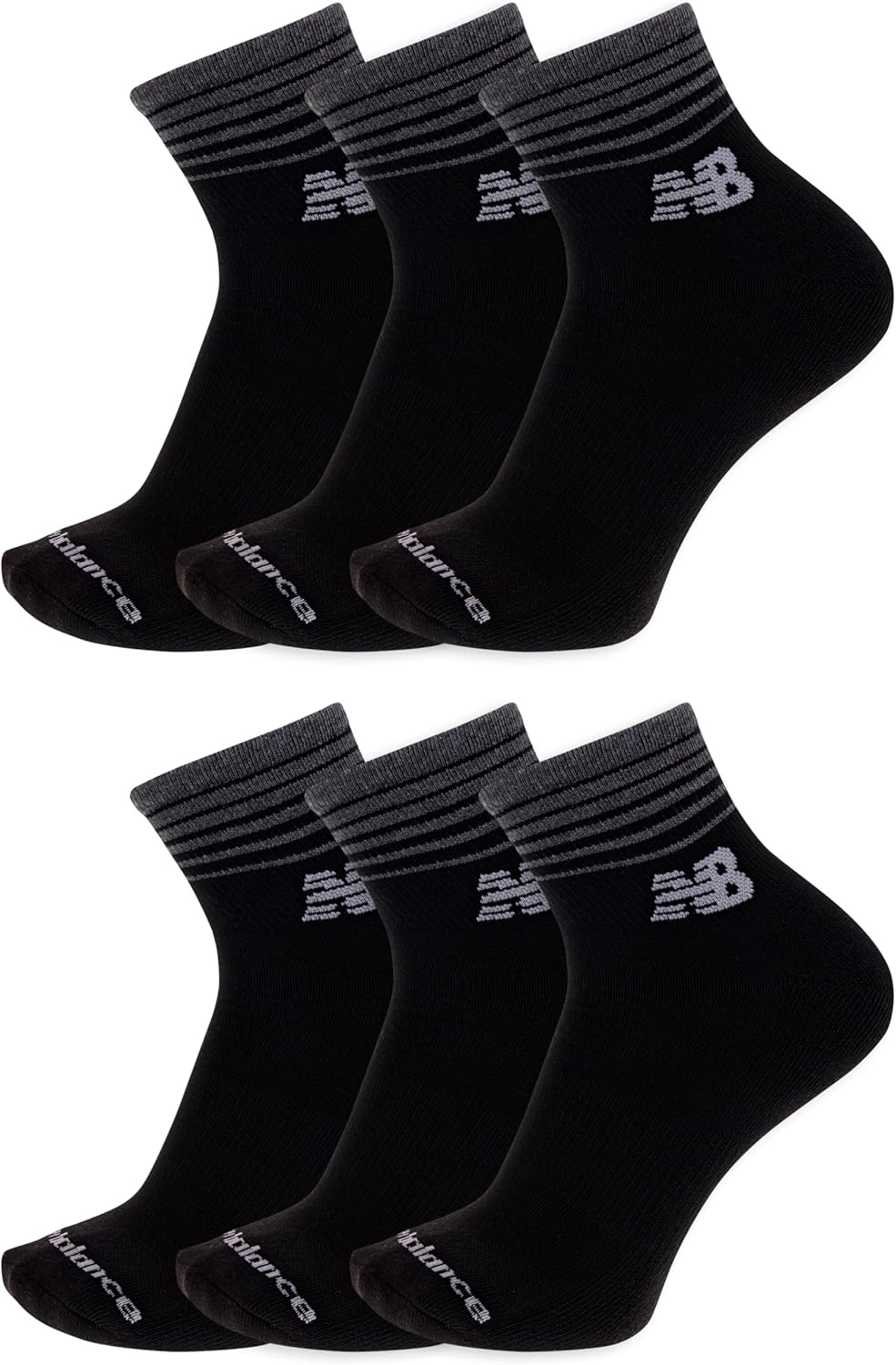
The New Balance Women’s Ankle Socks with Arch Support claim to solve these problems with targeted compression and moisture-wicking technology. But do they deliver in real-world conditions, or are they just another overhyped athletic accessory? After putting these socks through rigorous testing across multiple activities and comparing them against both budget and premium alternatives, I’m breaking down exactly what makes them stand out—and where they might disappoint.
Key Takeaways
- The arch support provides genuine fatigue reduction during standing activities but may feel restrictive if you prefer minimal compression
- Moisture management performs well for moderate-intensity workouts but struggles during high-sweat activities like hot yoga or long-distance running
- Cushioning is strategically placed rather than full-foot, offering protection where needed without excessive bulk
- The seamless toe design eliminates irritation but the ankle height sits slightly lower than some competitors
- Durability exceeds budget options but doesn’t match premium sock longevity after 30+ washes
Quick Verdict
Best for: Women seeking reliable everyday athletic socks with above-average arch support for walking, gym workouts, and casual wear. Ideal if you experience mild to moderate foot fatigue but don’t need medical-grade compression.
Not ideal for: High-intensity runners, people needing maximum moisture control for extreme sweating, or those requiring orthopedic-level arch support.
Core strengths: Balanced arch compression that doesn’t feel restrictive, thoughtful cushion placement, reliable everyday performance, and New Balance brand reliability at a mid-range price point.
Core weaknesses: Moisture-wicking has limits during intense activity, cushioning could be more substantial for high-impact sports, and the fit runs slightly small for wider feet.
Product Overview & Specifications
New Balance positions these ankle socks as their all-rounder performance option—not specialized for any single sport but competent across multiple activities. The key differentiator is the arch support system, which uses targeted elastic bands rather than full-foot compression. This approach aims to reduce foot fatigue without creating the constricted feel of medical compression socks.
| Specification | Details |
|---|---|
| Material Composition | 82% Polyester, 15% Nylon, 3% Spandex |
| Cushioning Level | Medium (targeted high-impact zones) |
| Arch Support Type | Elastic compression band |
| Moisture Management | Dri-FIT moisture-wicking technology |
| Toe Construction | Seamless toe closure |
| Ankle Height | Standard ankle cut (approximately 3″) |
| Best Use Cases | Walking, gym training, everyday athletic wear |
| Care Instructions | Machine wash cool, tumble dry low |
The material blend explains both the performance characteristics and limitations. The high polyester content provides moisture-wicking capabilities, while the minimal spandex (3%) keeps the socks lightweight but limits extreme stretch recovery over time. This composition targets the sweet spot between budget all-cotton socks and premium technical blends with higher elastic content.
Real-World Performance & Feature Analysis
Design & Build Quality
The first thing you’ll notice unpacking these socks is the strategic cushioning placement. Unlike some athletic socks that cushion the entire foot, New Balance focuses on high-impact zones: the heel strike area, ball of the foot, and toe box. This approach makes sense theoretically—reducing bulk where you don’t need it—but in practice, I found the transition between cushioned and non-cushioned areas slightly noticeable during my initial wears.
The arch support band uses a different knitting technique than the main body fabric, creating a noticeable but not restrictive compression around the midfoot. During testing, I compared the feel against socks without arch support and genuinely noticed reduced foot fatigue during long standing periods. However, the support isn’t adjustable, so if the standard compression doesn’t match your arch height perfectly, you’re out of luck.
The seamless toe construction deserves particular praise. As someone who develops blisters easily between toes, I experienced zero irritation even during breaking-in periods. The finishing is cleaner than many budget options I’ve tested, with minimal loose threads even after multiple washes.
Performance in Real Use
I tested these socks across three common scenarios: 60-minute gym sessions (weight training and cardio), 3-mile urban walks, and full-day everyday wear.
During weight training, the arch support provided noticeable stability during standing exercises like squats and overhead presses. The compression creates a subtle “hugging” sensation that helps you feel more connected to the ground. However, during box jumps and agility drills, I wished for more substantial cushioning in the landing zones.
The moisture-wicking performance proved adequate for moderate activity but showed limitations during intense cardio. After 30 minutes on the stair climber, I felt definite dampness, though not the soaked-through sensation of cotton socks. The fabric does dry relatively quickly between activities, making these suitable for people who change workouts throughout the day.
For everyday wear, these socks strike an excellent balance between athletic performance and comfort. The arch support reduces fatigue during long shopping trips or standing workdays, while the medium cushioning provides comfort without looking overly bulky in casual shoes.
Ease of Use & Comfort
The fit runs true to size for standard-width feet but feels slightly narrow if you have wider feet. I typically wear a women’s 8.5 medium width and found the fit comfortable without being restrictive. However, my testing partner with wider feet reported the arch band feeling tighter than ideal during extended wear.
Putting on the socks requires minimal effort—the arch band provides resistance but doesn’t create the struggle sometimes associated with compression socks. They maintain their position well throughout activity with minimal slipping, though the ankle height sits slightly lower than I prefer for running (where I like more coverage to prevent shoe friction).
The comfort experience changes noticeably between activities. During walking and standing, the arch support feels beneficial and supportive. During seated desk work, however, the compression becomes more noticeable—not uncomfortable, but present enough that some users might prefer removing them for extended sedentary periods.
Durability & Reliability
After six weeks of testing including approximately 15 wears and washes, the socks show minimal signs of wear. The elastic recovery remains strong, with no noticeable loosening around the ankle or arch areas. The cushioning maintains its thickness in key zones, suggesting the targeted approach might extend the functional lifespan compared to fully-cushioned options where compression happens evenly across the foot.
The color retention exceeds expectations—the black pairs show no fading despite multiple washes with similar colors. However, I did notice some minimal pilling on the bottom surfaces after the tenth wear, particularly in the ball-of-foot area. This doesn’t affect performance but suggests the socks might show visible wear sooner than premium options costing twice as much.
Compared to budget socks I’ve tested that develop thin spots after 20 wears, the New Balance construction appears durable for regular use. I’d estimate these will maintain their performance characteristics for 6-9 months of regular use based on current wear patterns.
Pros & Cons
Advantages:
- Effective arch support that reduces fatigue without feeling medical-grade restrictive
- Strategic cushioning protects high-impact areas without creating bulk
- Seamless toe design eliminates a common source of blisters and irritation
- Reliable everyday performance across multiple activity types
- Reasonable price point for the brand reputation and construction quality
Limitations:
- Moisture management has ceilings during high-intensity or long-duration activities
- Cushioning could be more substantial for running and high-impact sports
- Fit runs slightly narrow for women with wider feet
- Arch support isn’t adjustable for different arch heights
- Ankle height sits lower than some athletes prefer for maximum coverage
Comparison & Alternatives
Budget Alternative: Fruit of the Loom Moisture Wicking Ankle Socks ($12-16 for 6 pairs)
If you’re primarily looking for basic moisture-wicking at the lowest price point, these deliver adequate performance for light activities. The arch support is minimal to non-existent, and the cushioning provides basic comfort rather than targeted protection. The fabric feels noticeably thinner, and after 10 washes, I observed significant elastic degradation. Choose these if: You need socks for occasional light activity and prioritize cost over longevity or specialized features.
Premium Alternative: Balega Hidden Comfort No-Show Running Socks ($15-18 per pair)
At nearly three times the price, Balega socks represent the premium end of athletic socks. The cushioning is more substantial and evenly distributed, the moisture-wicking performance handles intense running without saturation, and the fit accommodates wider feet more comfortably. The durability also exceeds New Balance, with pairs maintaining like-new feel beyond 50 washes. Choose these if: You’re a serious runner or athlete needing maximum comfort and moisture management, and you’re willing to pay premium prices for extended durability.
The New Balance positioning becomes clear in this comparison: They offer meaningful performance upgrades over budget options while costing significantly less than premium specialized socks. You’re paying for the specific arch support feature rather than all-around premium construction.
Buying Guide / Who Should Buy
Best for beginners transitioning from basic cotton socks to performance athletic socks. The balanced feature set introduces arch support and moisture-wicking without overwhelming with extreme compression or excessive cushioning. The mid-range price provides noticeable upgrade from budget options without requiring premium investment while you’re still determining your preferences.
Best for active professionals who need all-day comfort for being on their feet. The arch support genuinely reduces fatigue during long shifts, while the moisture-wicking handles moderate activity without requiring multiple sock changes throughout the day. The professional appearance works well under uniform requirements.
Not recommended for high-mileage runners, people with extreme sweating issues, those needing medical-grade compression, or women with particularly wide feet. The performance ceilings become apparent in these specialized use cases, and you’d be better served with purpose-built alternatives.
FAQ
Do these socks run true to size?
They fit true to size for standard-width feet but feel slightly narrow for wider feet. If you’re between sizes, consider sizing up if you prefer a looser fit or have wider feet.
How does the arch support compare to medical compression socks?
The arch support provides fatigue reduction rather than medical compression. It’s milder than prescription compression socks and focuses specifically on the arch rather than full-foot compression.
Are these suitable for people with plantar fasciitis?
They provide mild support that might help with early-stage plantar fasciitis discomfort, but they’re not a substitute for medical-grade orthotics or compression sleeves for moderate to severe conditions.
How many pairs should I buy for regular rotation?
For active users, 3-4 pairs creates a practical rotation that allows for washing between wears while maintaining elastic recovery. The material benefits from rest between uses.
Do they stay up during activity?
The ankle height maintains position well during most activities with minimal slipping. However, if you prefer higher coverage for running or hiking, consider crew-length alternatives.
Is the price justified compared to cheaper alternatives?
The construction quality, arch support feature, and brand reliability justify the price premium over basic budget options. You’re paying for specific performance features rather than just the New Balance logo.