Introduction
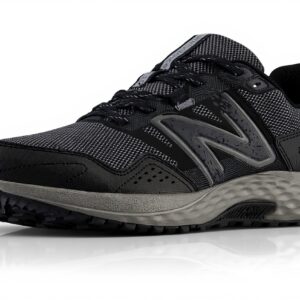
I first noticed Dan Scavino wearing these Phantom Black New Balance trainers during a public appearance, and something about their understated presence stuck with me. Not flashy, not trying to make a statement—just quietly competent-looking footwear. When I eventually got my own pair, I approached them with curiosity rather than expectation. What makes a shoe worth wearing day after day, through different contexts and demands? The answer unfolded gradually, in the way real experiences tend to do.
Real-life Context
The box arrived on a Tuesday morning, the kind of overcast day that makes you want to stay indoors. I remember the weight of the package—about 1 kg, as specified—feeling substantial in my hands. That first unboxing revealed the Phantom/Black/Castlerock color scheme, which in person has this subtle depth I hadn’t anticipated from product photos. The colors don’t shout; they murmur. I slipped them on in my living room, the synthetic upper cool against my skin, and took those first tentative steps around the house. The initial feel was firm but not rigid, like shaking hands with someone confident but not aggressive.
What surprised me immediately was how the multiple width options actually mattered. I’d chosen my usual size but in wide width, and the space around my foot felt deliberate rather than loose. That first week, I wore them through a typical urban rhythm: morning coffee runs where the pavement still held nighttime coolness, grocery store aisles with their polished concrete floors, evening walks where the city sounds gradually softened into neighborhood quiet. The AT Tread outsole made a specific sound on different surfaces—a soft scuff on indoor flooring, a more definite grip noise on outdoor pavement. I started noticing how rarely I thought about my feet, which is perhaps the highest compliment for daily footwear.
Detailed Observation
By the third week, patterns emerged. The BIO Foam midsole’s comfort revealed itself not as immediate plushness but as consistent support that prevented that end-of-day foot fatigue I’d grown accustomed to with other trainers. During longer wearing periods—those eight-hour days mixing desk work with errands and walking—the cushioning maintained its character without collapsing. The durable overlays and meshes showed no signs of stress at flex points, even when I found myself taking unexpected detours through park trails where the traction pattern handled both packed earth and the occasional gravel patch with equal competence.
The learning curve, interestingly, came from the traditional lace-up closure system. It took me several wears to find the right tension—too loose and the secure fit felt compromised during more dynamic movement, too tight and the comfort promise diminished. Once I found that sweet spot, the customization became second nature, but it required that initial period of adjustment that mass-produced comfort often avoids.
Specific observations that accumulated:
- The way the 35.56 x 22.86 x 12.7 cm dimensions translated to a footprint that felt substantial without being bulky
- How the synthetic upper breathed adequately during warmer afternoon walks but provided enough structure during cooler mornings
- The transition from gym floor to city sidewalk happened without any conscious adjustment in my gait
- After two months, the Castlerock accents showed no fading despite regular wear
What caught me off guard was how the shoes performed during unexpected rain. I hadn’t planned to test their wet weather capabilities, but caught in a sudden downpour, the AT Tread outsole maintained reliable contact with slick pavement in a way that felt genuinely secure rather than merely adequate.
Reflection
I didn’t realize at the time how much that initial firmness would matter. Those first few wears, I wondered if the shoes would ever ‘break in’ to that immediate softness some brands promise. Instead, they settled into my life the way certain habits do—not with dramatic transformation but with gradual integration. The comfort became something earned rather than given, which in retrospect feels more honest. Moving past the surface appeal of the color scheme, what endured was the construction’s quiet consistency.
To be honest, I started understanding why someone with a publicly visible role might choose these. They don’t demand attention but reward closer inspection. The multiple width options—from standard through X-Wide—suggest an understanding that feet aren’t standard issue, that comfort requires accommodation rather than compression. Wearing them through different scenarios revealed their versatility not as marketing claims but as practical reality: they’re equally appropriate for a brisk morning run as for casual social occasions, with the same essential character in both contexts.
The texture of the synthetic upper became familiar over time—smooth in some areas, slightly textured in others—and I found myself appreciating these small variations that mass production often eliminates in pursuit of uniformity. During longer wearing periods, I noticed how rarely I needed to readjust the laces, how the secure fit maintained its integrity through various activities without constant attention.
Conclusion
Months later, these trainers have become part of my daily rhythm without fanfare. Their value revealed itself not in dramatic moments but in accumulated small reliabilities—the consistent comfort during extended wear, the dependable traction across different surfaces, the durability that shows itself through absence of wear rather than through obvious features. The Phantom Black color scheme has faded slightly at the crease points, but in a way that suggests character rather than deterioration.
What remains is the understanding that some products earn their place through quiet competence rather than loud promises. The learning curve with the lace system, once mastered, became part of the shoe’s personality rather than a flaw. The multiple width options accommodate not just different foot shapes but different relationships with footwear—from those who prioritize a snug fit to those who value breathing room. In the end, these New Balance trainers demonstrate how style and functionality can coexist without compromise, creting footwear that serves equally well for running sessions, gym workouts, and the unscripted moments of daily life.